Slow the progression of your child’s nearsightedness.
The Myopia Epidemic
A National Eye Institute study found myopia rates in Americans aged 12-52 increased from 25% in 1972 to 41.6% by 2004.
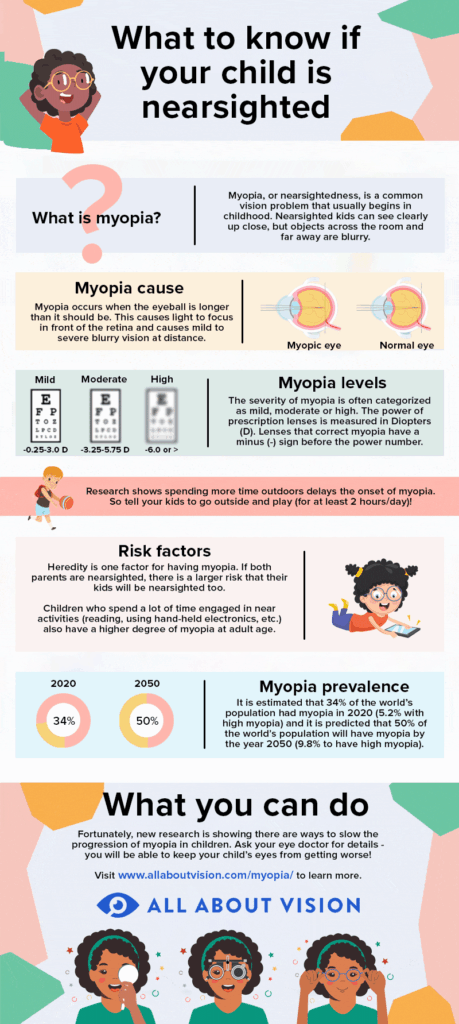
In addition to resulting in blurred vision and necessitating the use of corrective lenses, myopia may lead to significant ocular health risks.
A National Eye Institute study found myopia rates in Americans aged 12-52 increased from 25% in 1972 to 41.6% by 2004.
In addition to resulting in blurred vision and necessitating the use of corrective lenses, myopia may lead to significant ocular health risks.
How 20/20 Vision Center approaches Myopia Control
Many doctors address the primary symptom of myopia—blurry vision—by prescribing glasses or standard contact lenses. As cases of myopia have increased and its health impacts have become clearer, 20/20 Vision Center’s doctors have started to focus on treating myopia itself to help reduce the risk of further vision loss and eye disease. This approach is referred to as myopia control.
Some treatments offered at 20/20 Vision Center to control myopia include:
Atropine:
The use of a specially compounded eye drop once each night can slow the progression of myopia.
Mi Sight Contact lenses that are dual focused soft contacts
Specialized soft contact lenses adjust how light focuses on the retina to slow myopia progression. Worn during the day, these daily disposables give clear vision without needing cases or solutions. See video:
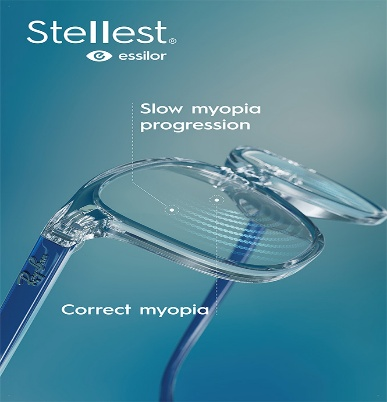
Stellest Glasses by Essilor
Specialized FDA-approved glasses lenses that both correct vision and slow the progression of myopia.