
Eyeglasses
Lenses and Frames
Choosing lenses and frames is a personal decision, with many options to fit both medical needs and style. Highlight your features, add color, and select vision aids for reading, driving, or sports. With so many choices, guidance from our opticians at 20/20 Vision Center makes the process straightforward.
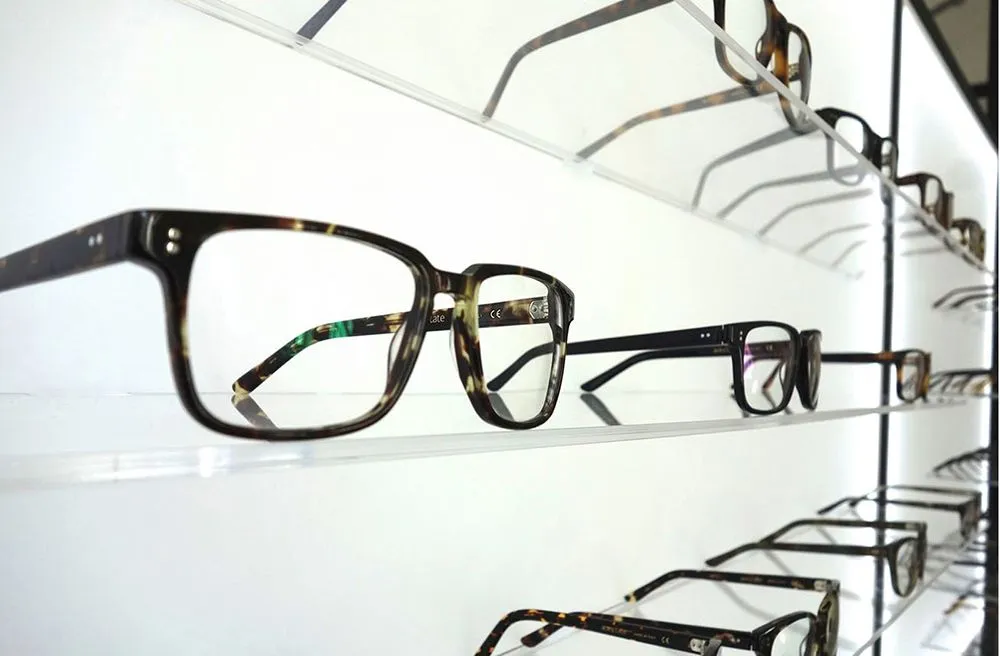
Eyeglasses
Prescription lenses consist of three main components: design, material, and treatments. Choosing the right combination is essential for your vision, so consult your eye care professional. At 20/20 Vision Center, our opticians will recommend eyeglasses based on comfort, style, features, and function, ensuring each pair suits the individual wearer. Typically, if you are in an office setting working at a computer, we may recommend multiple pairs of glasses to ensure that you have all your eyecare needs met.
Lenses
Hoya offers a range of lens products designed for various optical needs, including prescription eyewear, camera lenses, and filters. Here’s a brief overview of their key product categories:
Prescription Lenses
- Single Vision Lenses: Designed for correcting one field of vision (near or far).
- Bifocal Lenses: Feature two distinct optical powers for near and distance vision.
- Progressive Lenses: Provide a smooth transition between multiple vision zones without visible lines.
Lens Coatings
- Anti-Reflective Coating: Reduces glare and reflections, enhancing clarity.
- Scratch-Resistant Coating: Increases durability and longevity of lenses.
- Blue Light Blocking: Filters harmful blue light from screens, reducing eye strain.
Camera Lenses
- UV Filters: Protects the lens and reduces UV light exposure.
- Polarizing Filters: Enhances color saturation and reduces reflections from surfaces.
- ND Filters: Allows for longer exposure times in bright conditions.
Specialty Lenses
- Photochromic Lenses: Darken in sunlight and clear indoors, providing convenience for outdoor use.
- High-Index Lenses: Thinner and lighter, suitable for strong prescriptions
- Polycarbonate
- Standard CR-39 plastic lenses
- Trivex
How to Clean your lenses properly:
Frames
When selecting frames, consider shapes and sizes that accentuate your eye color, complement your skin tone, and highlight the most favorable aspects of your facial structure.
It is advisable for individuals to own multiple pairs of glasses, including options for daily use and specific outdoor activities. Maintaining a variety of frame styles suitable for different occasions not only supports functional needs but also provides versatility and sophistication in eyewear choices.
Sunglasses
There is a wide range of lens options available, allowing customization of sunglasses for specific visual, protection, performance, and comfort needs. Prescription lenses, including bifocal and progressive types, can be incorporated into sunglasses. Sunglasses are designed to filter harmful ultraviolet (UV) radiation, which is present even during overcast conditions. Quality sun wear offers full UV protection, potentially lowering the risk of eye problems associated with sunlight exposure, such as cataracts and retinal damage.
Glare, which can make it harder to distinguish colors and details, may be reduced using polarized lenses. When wearing polarized lenses, colors can appear more pronounced, and visual details may become clearer. Additionally, polarized lenses may help decrease squinting, leading to less eye fatigue, tension, and eyestrain.
Anti-Reflective Lenses
Individuals who wear prescription glasses or sunglasses frequently experience glare and reflections resulting from light interacting with lens surfaces. Such glare can impede clear vision, particularly under low-light conditions. Anti-reflective lenses are designed to minimize these reflections, thereby enhancing the amount of light transmitted to the eyes.
Lens surfaces inherently reflect a portion of incoming light, which may reduce optimal vision by blocking between seven and fourteen percent of necessary illumination. Utilizing standard lenses without anti-reflective coating can be likened to reading in insufficient lighting. By contrast, anti-reflective lenses increase visual clarity by permitting greater light transmission, effectively improving one’s ability to see.