
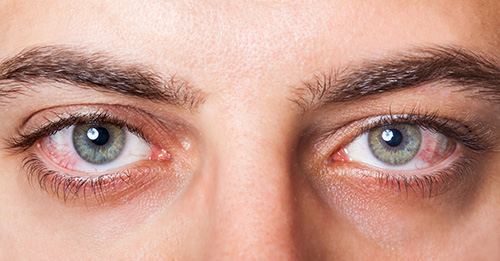
Dry eye syndrome may seem like a minor issue, but for those who experience it daily, it can be much more than an inconvenience. The condition impacts both the comfort and proper function of your eyes throughout the day. At 20/20 Vision Center, serving Greenville and Washington, NC, patients often describe dry eye as a persistent gritty or burning sensation. Here’s a closer look at what dry eye syndrome really means, its causes, and the ways to manage it.
Understanding Dry Eye Syndrome
Essentially, dry eye occurs when your eyes aren’t adequately lubricated. This can be due to insufficient tear production or tears that fail to work effectively. Tears consist of three parts: oil, water, and mucus. An imbalance in any of these layers can cause tears to evaporate too quickly or not spread evenly across the eye’s surface.
Common symptoms include:
• Stinging or burning sensations
• Redness
• Vision blurring that improves with blinking
• Light sensitivity
• Eyes feeling heavy or tired
Frequent Causes
Multiple factors can lead to dry eye syndrome:
• Aging: Tear production tends to drop after age 50.
• Environment: Exposure to wind, dry air, or heaters speeds up eye dryness.
• Screen time: Focusing on screens reduces blinking, drying the eye’s surface.
• Medical conditions: Conditions like thyroid disease, rheumatoid arthritis, and diabetes may contribute.
• Medications: Drugs such as antihistamines, decongestants, antidepressants, and some blood pressure medications can decrease tear output.
Causes often overlap, so pinpointing the exact source is an important step in treatment.
Diagnosis Methods
An eye examination initiates the diagnosis process. Your doctor will assess your tear film, eyelids, and cornea. Dyes may be used to check tear evaporation rates or measure tear volume. These simple, painless tests provide valuable insight into the problem.
Treatment Options
Dry eye therapy depends on its cause and severity, and could include:
• Artificial tears or gels
• Prescription anti-inflammatory drops
• Eyelid hygiene routines
• Lifestyle modifications, such as reducing screen exposure
Often, a combination of treatments yields the best results. See what our LLLT treatment does in our Dry Eye Clinic in our Greenville location.
While dry eye syndrome doesn’t immediately endanger vision, it can greatly affect your day-to-day life by making routine tasks uncomfortable. At 20/20 Vision Center in Greenville and Washington, NC, we treat dry eye seriously and are committed to helping you achieve greater visual comfort. For appointments and services—including eye exams, glasses, contacts, dry eye care, and more—contact us at (252) 754-2020 or (252) 501-0403 to connect with a local optometrist.